
Allied Health Sciences Careers: Good Options Beyond MBBS
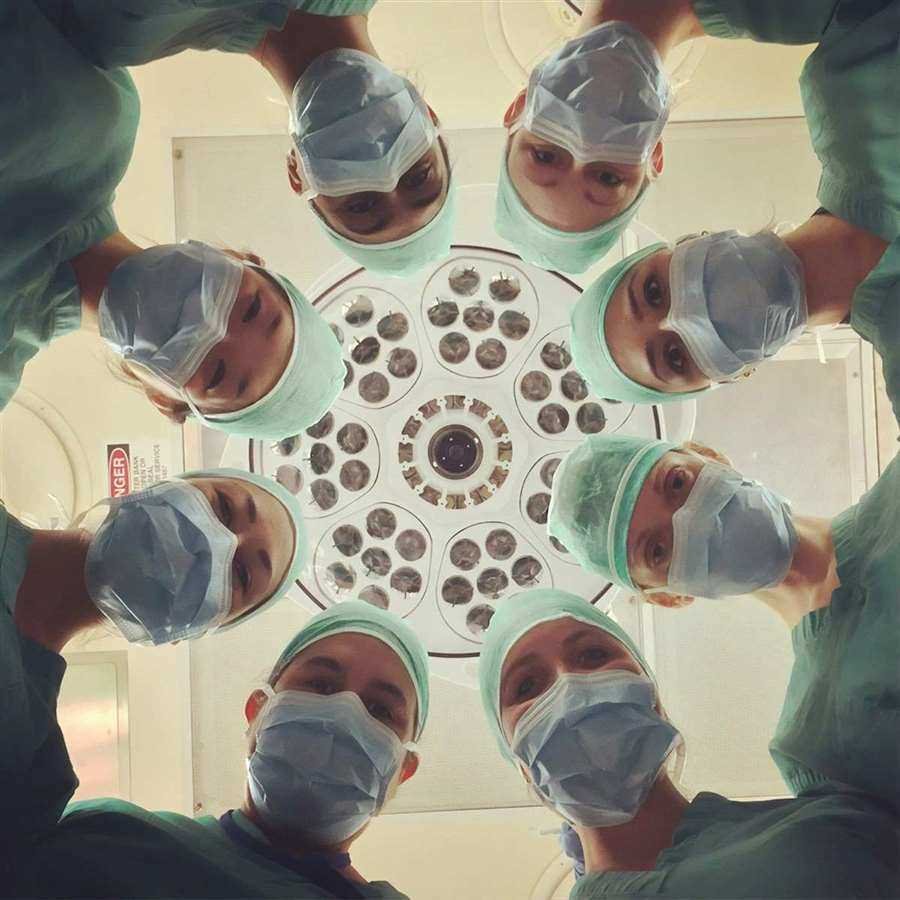
Not every student who likes biology must become an MBBS doctor. Hospitals need trained professionals who run labs, support imaging, assist in operation theatres, manage dialysis, and help with eye care. These roles come under allied health sciences. For many Tamil Nadu families, they are a practical healthcare path with clearer timelines and often lower fees than private MBBS — a real career, not a “consolation prize.”
Admission rules and fee structures change by course and year. Confirm officially. Nobody can honestly guarantee a seat, salary, or overseas placement.
What allied health sciences means
Allied health professionals work with doctors and nurses. They do specialised technical or therapy work that keeps diagnosis and treatment moving. Without them, hospitals and diagnostic centres cannot function well.
If you enjoy science, careful procedures, machines, or patient support — but do not want (or may not get) a medical seat — allied health can fit well. You can also keep MBBS as Plan A through official NEET counselling while exploring these courses as a strong Plan B. Score context: NEET cutoff MBBS Tamil Nadu.
Popular allied health courses
- Medical Laboratory Technology: blood / sample testing that supports diagnosis.
- Radiology / Imaging Technology: X-ray, CT, MRI support roles (training depth depends on course).
- Operation Theatre Technology: OT preparation and surgical team support.
- Dialysis Technology: support for kidney dialysis units.
- Optometry: eye care and vision-related clinical work.
- Cardiac / respiratory care technology (where offered): specialised hospital support roles.
Also compare broader paramedical paths: paramedical courses, nursing, physiotherapy, and B.Pharm.
Degree vs diploma — think long term
Diplomas may be shorter and lower cost. Degrees may open more higher-study and career growth doors. Ask about duration, internship, registration / licensing requirements (where applicable), and lateral entry rules for your joining year. Do not choose only because a relative said “diploma is enough” without checking current hiring preferences in your city. If budget forces a diploma now, ask whether a later bridge or degree path exists and what marks it needs. Write that path down so the student has a growth plan, not only a first certificate.
How to choose a course that fits you
- Labs and precision work → lab technology.
- Machines and imaging → radiology / imaging paths.
- Fast hospital environment → OT technology.
- Ongoing patient procedures → dialysis.
- Eye care interest → optometry.
Visit a hospital department if possible and ask staff what a typical day looks like. Use aptitude test when interests are mixed. Read career options after 12th biology.
College verification checklist
- Recognition / affiliation status for the current academic year
- Attached hospital or diagnostic centre for practical training
- Faculty and equipment quality (ask for a campus / lab look)
- Written fee breakup: tuition, hostel, exam, uniforms, deposits
- Refund policy before payment
- Recent alumni outcomes (honest examples, not only toppers)
Avoid institutes that pressure cash payments without receipts or claim “guaranteed placement packages.”
Documents and DigiLocker
Keep 10th / 12th certificates, community / nativity papers, Aadhaar, photos, and application receipts ready. Download DigiLocker copies early and keep originals safe. Name mismatches delay admission. If you are also in NEET counselling, keep medical documents parallel — NEET counselling process.
Fee honesty and funding
Allied health fees are usually lower than private MBBS, but private colleges still vary widely. Confirm current-year figures officially. Include hostel and exam fees in the total. Check scholarships on the National Scholarship Portal and state schemes if eligible — scholarships, TN government scholarships. Loans: education loans. Compare prestige pressure with private MBBS fees before taking heavy debt for MBBS only.
Career growth after allied health
- Hospitals and diagnostic centres
- Specialty clinics and rehab / dialysis units
- Further certifications and higher studies
- Teaching / supervisory roles after experience
- Overseas pathways in some fields (country licensing rules differ — verify later)
Income grows with skill and experience. Ask for realistic first-job expectations. No honest counsellor can guarantee salary numbers.
Common mistakes
- Joining unrecognised colleges to save a little money
- Ignoring practical training quality
- Choosing only by “which course sounds fancy”
- Paying agents for guaranteed seats
- Treating allied health as temporary and not studying seriously
- Closing NEET options too early if MBBS is still possible
Also see common counselling mistakes, MBBS vs BDS vs BAMS, and parent guide.
If you are repeating NEET
Some families combine a diploma / degree start with a repeater plan. That can work if the student can handle load — or it can create burnout. Discuss honestly. Guide: NEET repeaters strategy. If abroad MBBS is suggested as a shortcut, read NMC / FMGE first.
Practical next steps
- Shortlist 2 allied fields that match interest.
- Verify 3 colleges each for recognition and clinical exposure.
- Collect DigiLocker + physical documents.
- Write a fee ceiling including hostel.
- Keep medical counselling active until a final decision is made.
Skills that improve employability
Beyond the degree or diploma, hospitals value careful documentation, English and Tamil communication, punctuality, infection-control habits, and calm behaviour with patients. Students can build these during internship. Ask seniors which certifications or software skills help in your city. Treat the internship year as a long interview — attendance and attitude matter as much as theory marks. Families should encourage skill seriousness, not only “just finish the course.”
Related reading
Exploring allied health beyond MBBS?
Share interests, marks, and budget. We will help you compare practical course options — no seat or salary guarantees.